Our private pilot­training

At EuroPilot Center, you choose a personalized, high-quality training, tailored to your ambitions.

With experienced instructors, your dedicated Aviation Coach, and access to advanced simulators and modern aircraft, you maximize every training session.

Quality, flexibility, and personal guidance set your journey apart.

Unlock your ultimate freedom.
What makes this private pilot training unique?

A young top athlete wanting to become an airline pilot, a unique combination. The Part-Time Airline Career Program© offers me the flexibility I need to combine both. Everyone at EPC is available 24/7!
Adrien Devriendt
ACP Student©

Focus on you

Your personal Aviation Coach will guide you throughout your entire training. Scheduling is fully based on your availability. Training is available 7 days a week, and you can practice independently 24/7.

Your goal is our goal!

State of the art

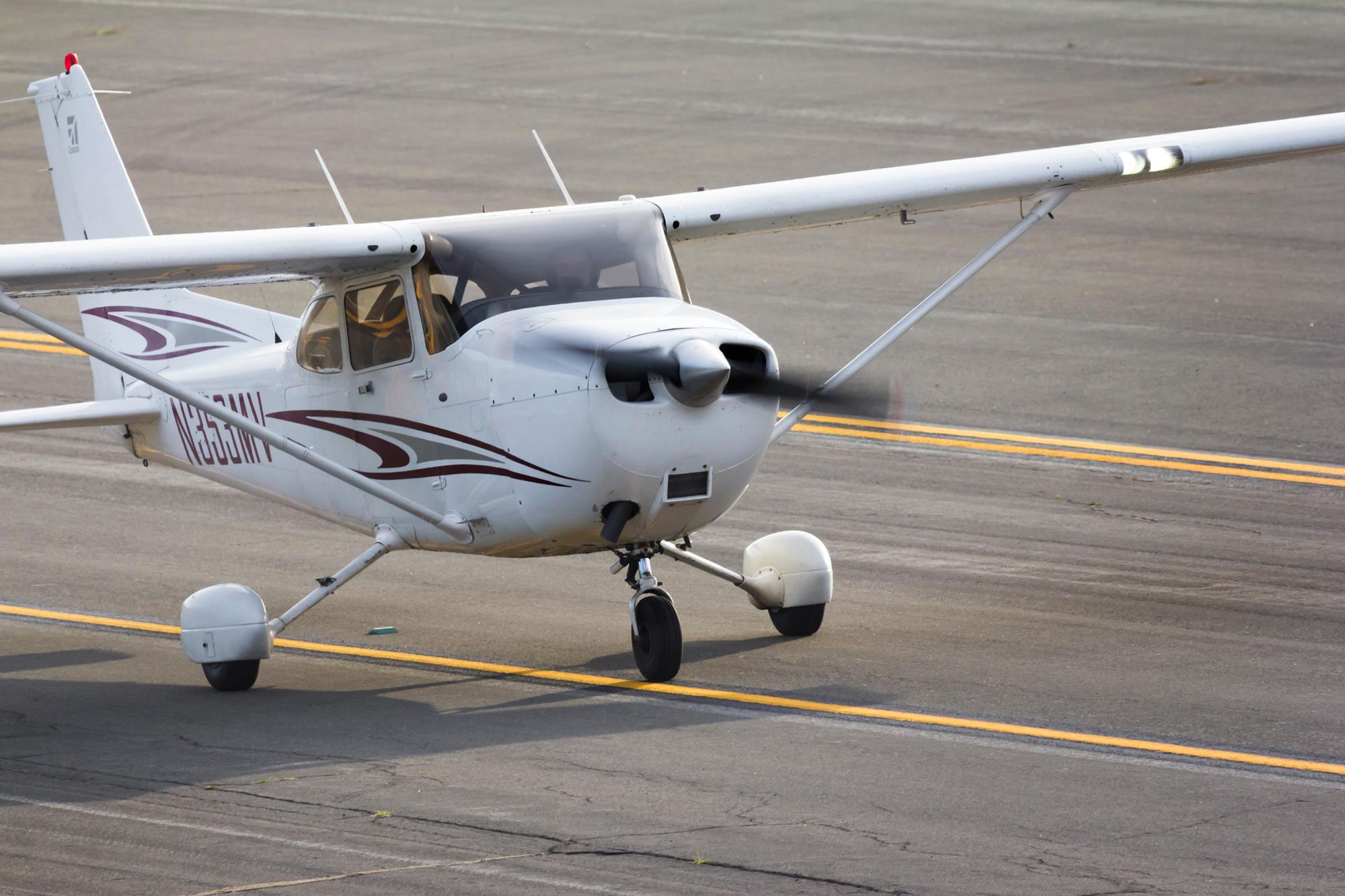
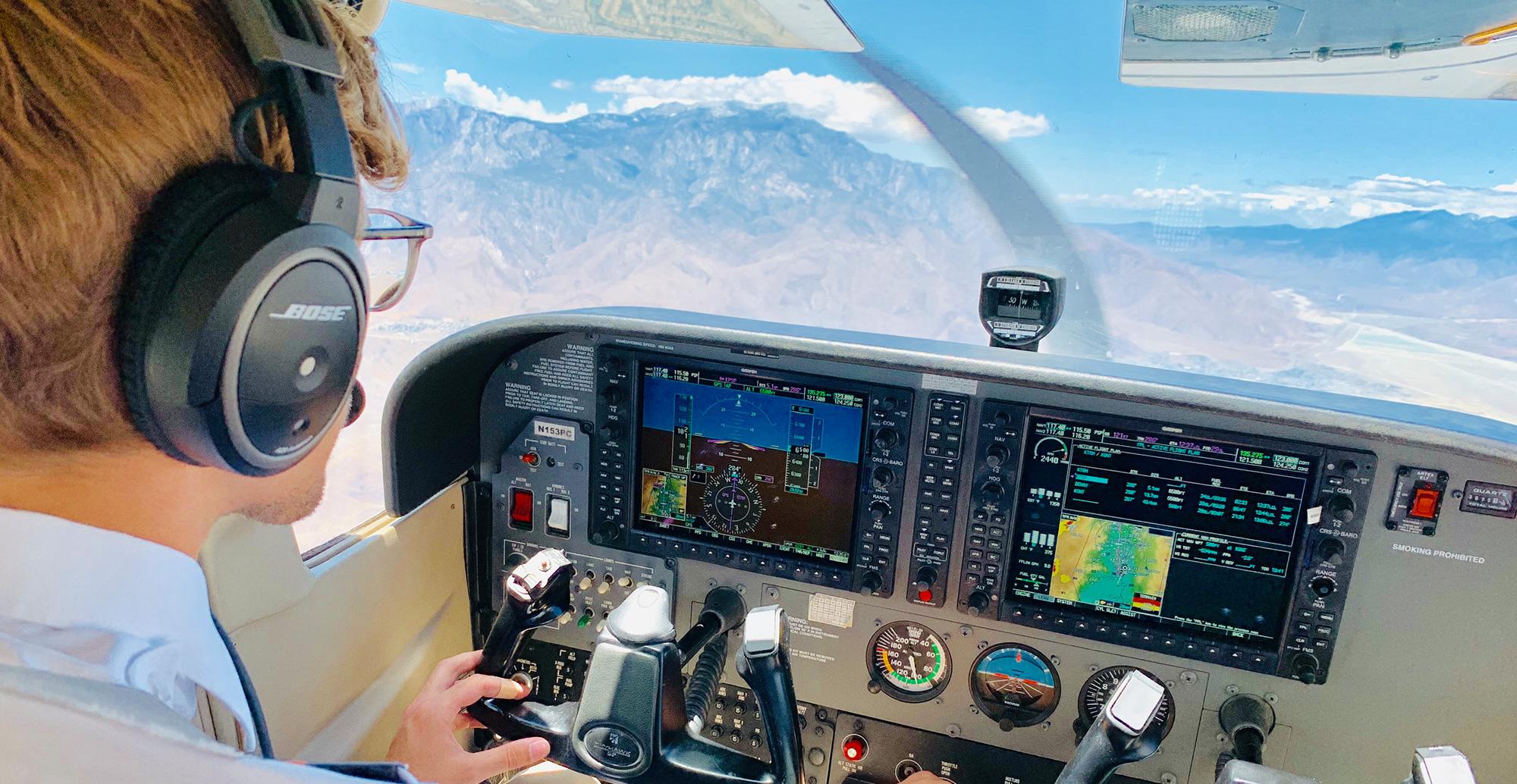
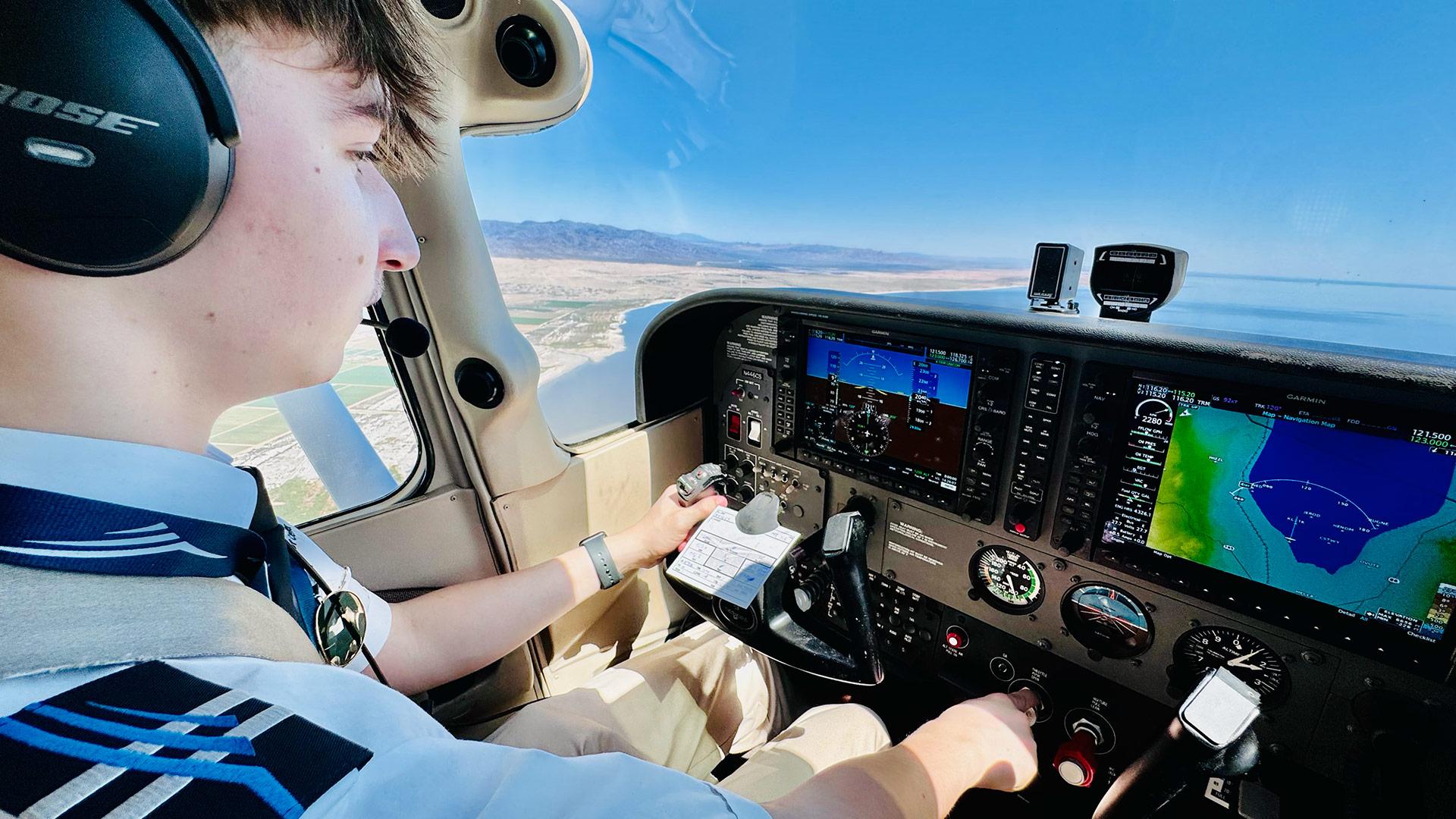
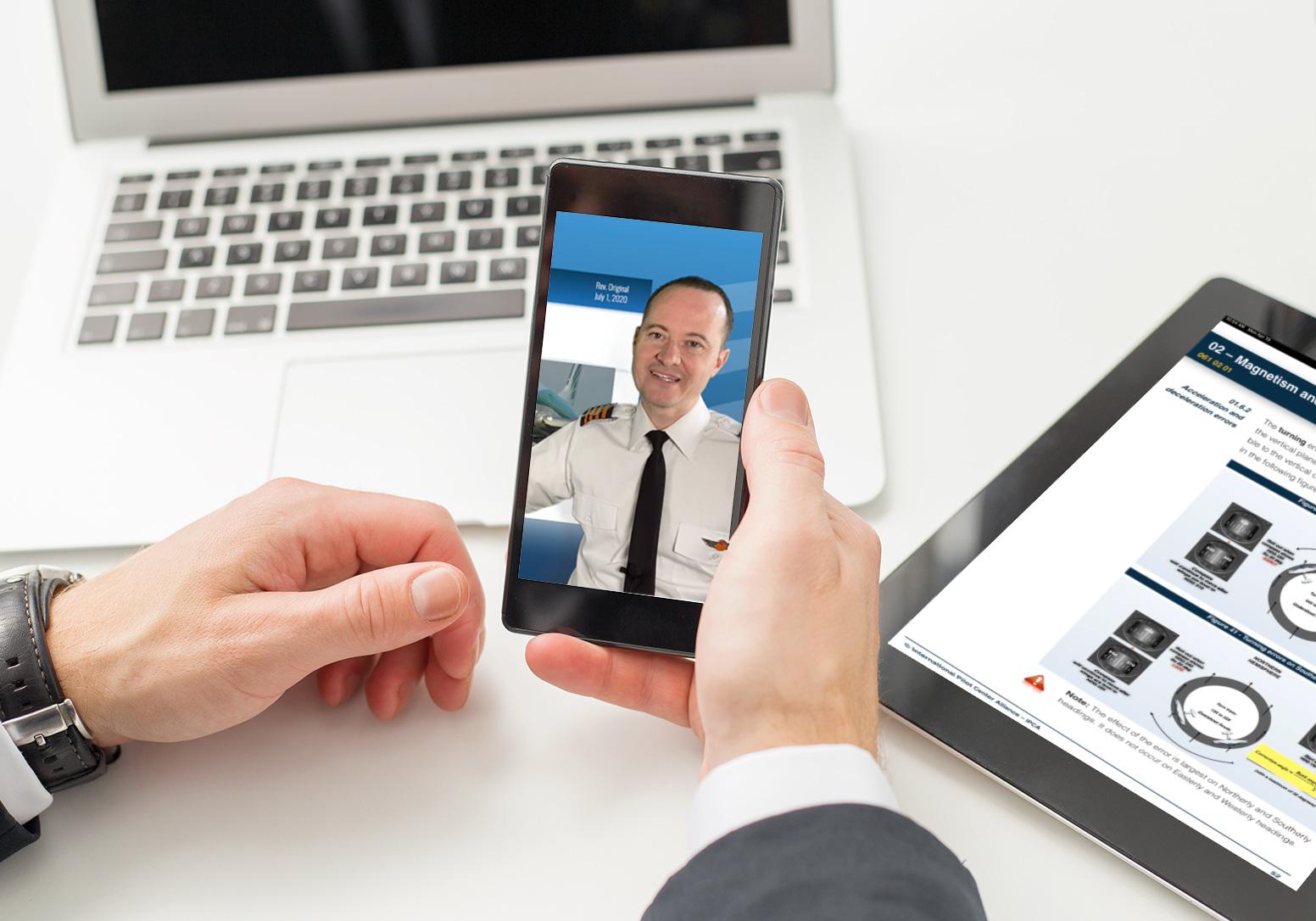
Keep up with today’s aviation: fly modern glass cockpit aircraft, train in advanced simulators, and use our in-house developed learning materials. From iBooks to digital briefings, our tools make modern flying simple, immersive, and fully hands-on.

Personal Training. In Style.

Flexible & Efficient

Complete your training at your own pace and according to your personal schedule, with an efficient blend of theory and practice. Make the most of every session and get ready quickly for your European (EASA) Private Pilot License.

Maximise your learning!

Your team

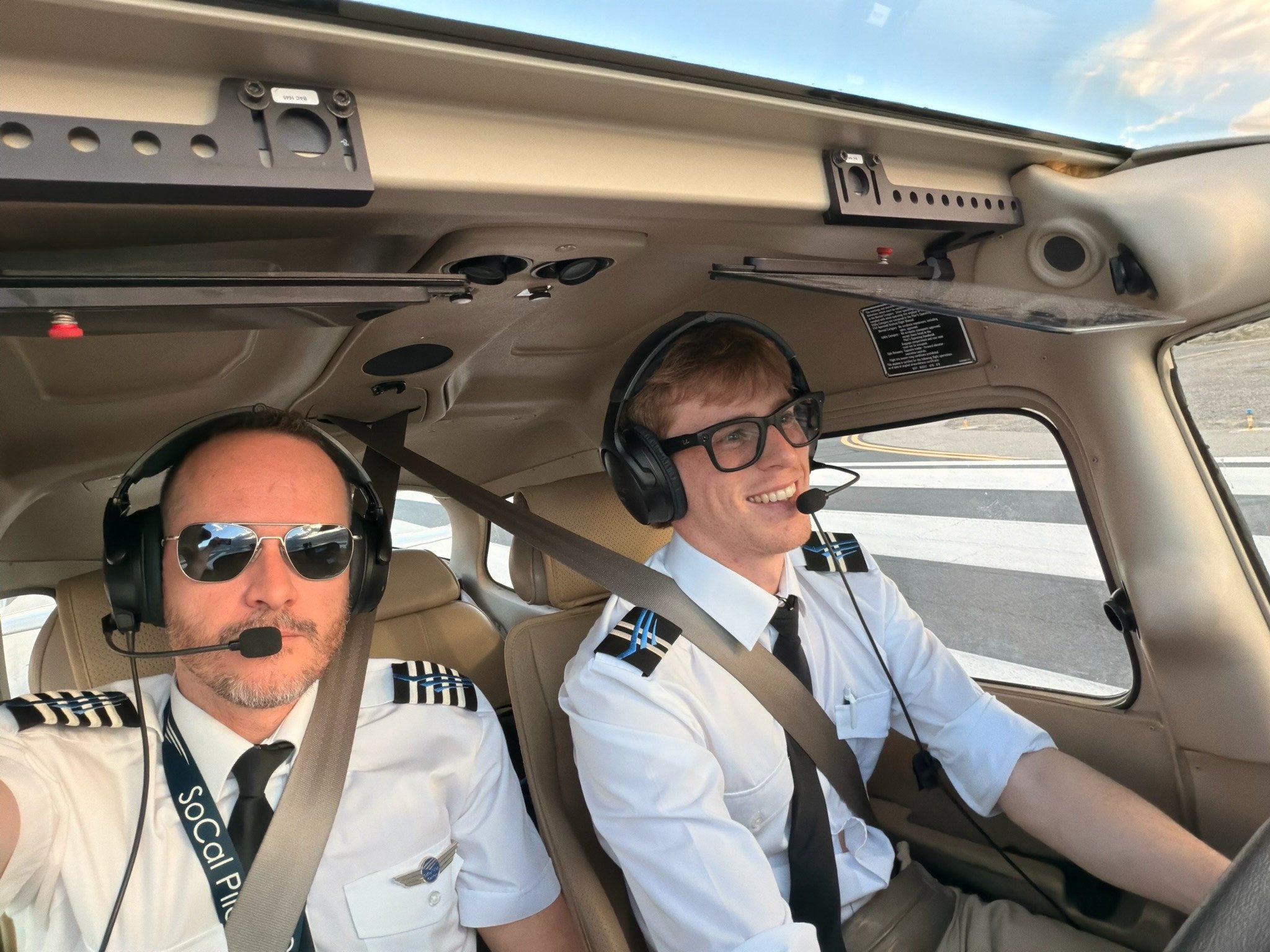
As a private pilot, you want to learn to fly safely and effectively, surrounded by professionals. With our passionate and experienced team of instructors, you’re in excellent hands.

At your service!

Trainingphases

The program is built around four carefully designed phases, where theory and practice seamlessly reinforce each other.

You can choose to follow the theoretical training separately, but combining it with hands-on experience leads to faster progress and deeper understanding. What you learn, you apply directly in the cockpit.

The practical training takes on average 12 months and is fully tailored to your pace and availability. You’ll train with advanced simulators and fly under the guidance of experienced instructors, building confidence and control step by step.

Train smart. Fly with confidence.
Start your training your way

Whether you choose a gradual start or dive in fully from day one, your training is tailored to your goals and schedule.
Discovery Flight

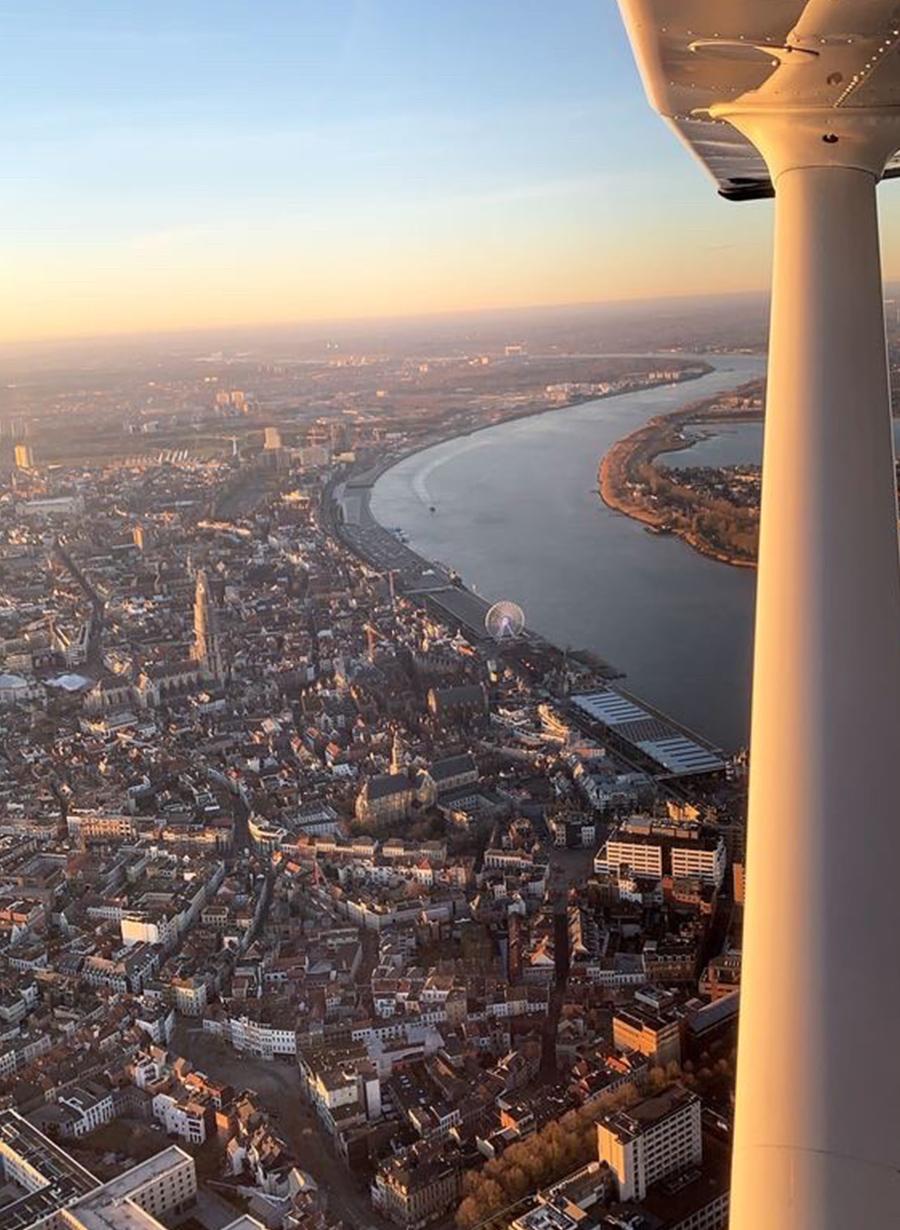
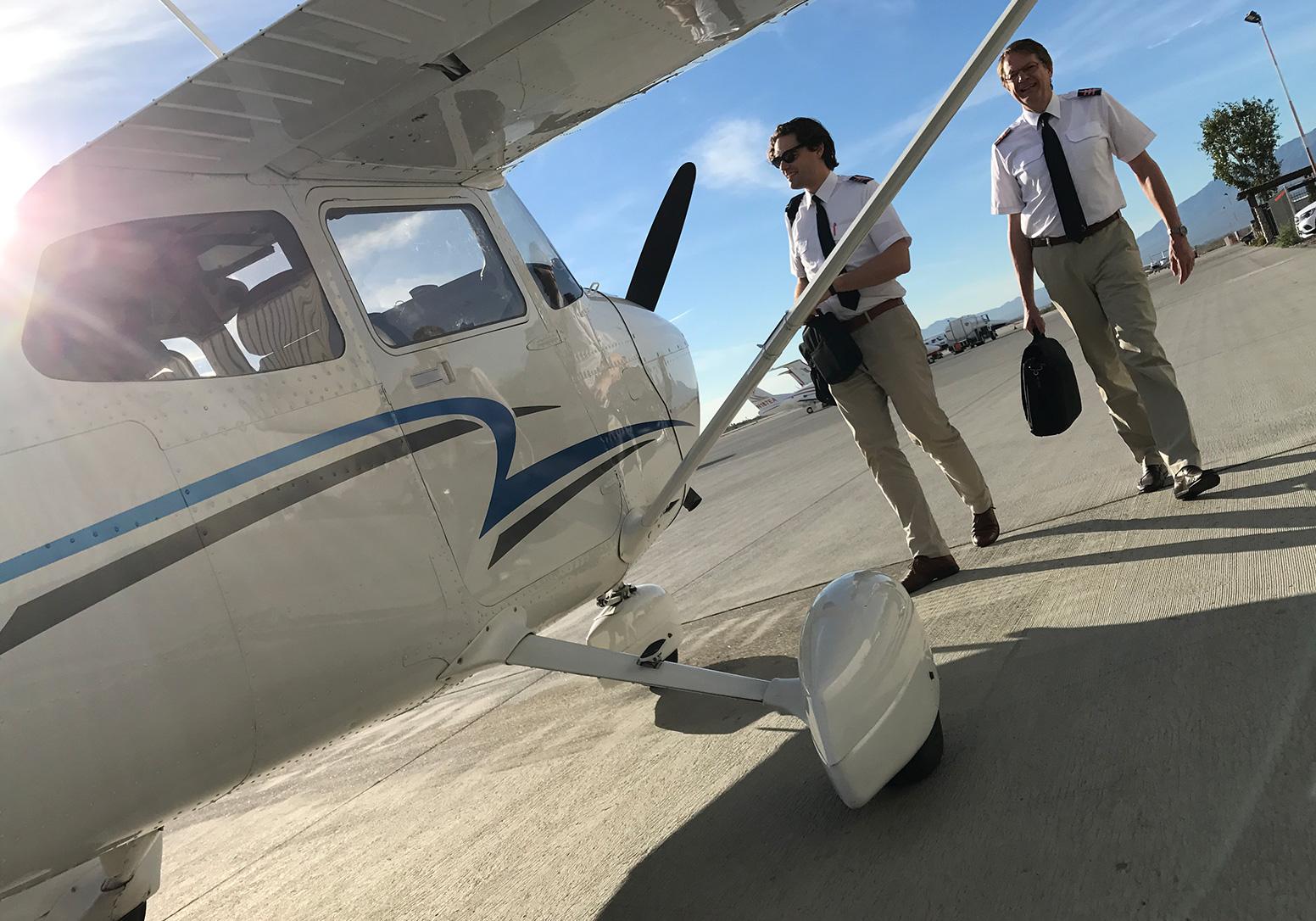
Experience flying firsthand
Duration: ± 1 hour
Includes briefing, sim demo & flight
Guided by an instructor
The perfect first introduction

Theory First

Build your knowledge first
Study at your own pace through self-study
Digital learning platforms & iBooks
Guidance from your Aviation Coach
Seamless transition to practical training

Combined

Our recommended approach
Theory & practical training combined
Duration: ± 12 months
Training at your own pace
Maximum progress & efficiency

Tuition fee & financing

The program is offered as an exclusive all-in training package, with the investment spread across monthly installments.

Thanks to its flexible structure, you can complete your training fully aligned with your schedule and pace, while keeping your investment clear and well-managed.

Would you like a transparent and detailed cost overview?

  • Download our PPL(A) brochure
  • Schedule an (online) meeting with an Aviation Coach


Financing

In partnership with Belfius Bank, EuroPilot Center offers a specialized pilot financing solution.

Your Aviation Coach will personally guide you through the entire process, so you can stay fully focused on what truly matters: your training and your future as a pilot.
Admission criteria private pilot

To start your private pilot training, you’ll need to meet a few basic requirements

What you need to get started:

  • Minimum age: you can start from 15 years old (solo from 16, exams from 17)
  • Medical certificate: a valid EASA Class 2 Medical
  • Language proficiency: a good command of English (the language of aviation)
  • Education: no prior experience required
  • Motivation: a strong interest in aviation and the drive to learn

Everyone starts somewhere. This is your moment.
Frequently Asked Questions

1. Licensing

You will obtain a European EASA PPL(A) license, including a Single-Engine Piston (SEP) Class Rating.
This license allows you to fly single-engine aircraft under EASA regulations and is valid across all EASA Member States (Europe).

Private Pilot License (PPL) is intended for non-commercial flying. This means you can fly for personal purposes, such as travel, leisure, or carrying passengers, as long as there is no compensation or payment involved.

If you aim to fly professionally, for example with an airline, you will need a Commercial Pilot License (CPL). The PPL serves as the first step toward a professional pilot career.

Your PPL license itself is valid for life and does not expire.

To remain eligible to fly, you must keep your ratings - such as the Single-Engine Piston (SEP) - and your medical certificate up to date. These are renewed periodically through refresher training or a proficiency check.

This means your license remains permanent, while your operational privileges are kept current.

Yes. The PPL provides a strong foundation to build on, depending on your goals.

You may choose to further develop your skills by adding ratings such as a MEP (Multi-Engine Piston) or an IR (Instrument Rating). These offer additional challenge, greater capabilities, and a higher level of precision and control, without necessarily pursuing a professional pilot career.

If you do decide to take the next step, you can seamlessly transition into our Airline Career Program, designed to support your progression toward advanced pilot training.

2. The PPL(A)-training

You can start your training at any time.

The theoretical training begins as soon as you purchase the EASA PPL(A) Study Pack and is completed at your own pace, supported by your personal Aviation Coach.

After completing your self-study, you will attend an on-campus theory weekend, preparing you for both the internal and official exams. These take place:

  • First weekend of March
  • First weekend of June
  • First weekend of September
  • First weekend of December

For exact dates, please refer to our online Events calendar.

Practical training is ideally combined with theory and can be started at any time, fully aligned with your schedule and pace.

Start by scheduling an (online) meeting with an Aviation Coach.

During this session, we define your goals, availability, and expectations, and create a personalized training plan

You can choose between three starting options, depending on your preference:

  • Discovery Flight: experience flying firsthand and discover if it’s right for you
  • Theory first: begin with the theoretical training at your own pace
  • Combined program: start immediately with both theory and practical training for maximum progress

Our Aviation Coaches guide you every step of the way and help you choose the path that best fits your goals.

The theoretical training consists of approximately 110 hours, including around 100 hours of self-study and 10 hours of classroom instruction.

Self-study is completed flexibly through video lessons, iBooks, and online tests, typically spread over 3 to 6 months.
You will then attend a theory weekend to prepare for the exam.

After successfully passing the internal mock exam, you will be recommended for the official EASA PPL theory exam.

The training takes on average around 12 months for the combined program (theory and practical).

This timeline reflects a realistic and efficient training path, allowing you to fully complete the theoretical trainingwhile building solid practical experience. It also includes a buffer for external factors such as weather conditions, which are an inherent part of flight training and may impact scheduling.

Thanks to our flexible approach, you can align your training with your pace and availability. Training more frequently allows for faster progress, while a more gradual path remains fully possible.

Our focus is not just on speed, but on ensuring you complete your training with confidence, control, and a strong foundation as a pilot.

Yes. The program is designed to be fully compatible with work or studies.

The theoretical training is completed through self-study, allowing you to progress at your own pace. In addition, practical training is scheduled through a flexible monthly planning, tailored to your availability.

This gives you full control over your schedule, without compromising the quality of your training.

Under EASA regulations, a minimum of 45 flight hours is required. In reality, this is often not sufficient for most students to reach the desired level.

That’s why we offer an all-in package of 70 hours of practical training, based on the experience that this is what is needed to become a confident and capable pilot, not just to pass the exam.

This gives you the time to refine your skills, repeat key exercises, and build confidence in solo flight. The result is a higher success rate, fewer interruptions, and a more efficient training path.

Our philosophy is simple: we don’t train to the minimum - we train you to be truly ready.

Each session follows a clear and logically structured training flow.

You begin with a pre-flight briefing, where the exercise and objectives are explained. This is followed by the training itself in a simulator or during a flight, guided by an experienced instructor. Afterward, a debriefing provides targeted feedback to accelerate your progress.

A session typically lasts 2 to 3 hours, depending on the type of training. You will also receive preparation for your next session, ensuring continuous and efficient progress.

Yes, it is possible to complete your theoretical training at one school and your practical training at another.

However, for optimal results, we recommend combining both. This integration leads to a more efficient learning processand a deeper understanding of what you apply in the cockpit.

Not necessarily. You will be trained by a team of experienced instructors, each bringing their own expertise and perspective.

This approach adds significant value: you gain a broader understanding, learn to adapt to different situations, and benefit from diverse feedback, strengthening your overall training.

At the same time, all instructors follow the EPC Training Standards and procedures, ensuring your training remains consistent, structured, and of high quality, regardless of the instructor.

It also provides greater scheduling flexibility and supports continuous progress throughout your training.

3. Tuition fee and financing

The program is offered as an all-in package with a fixed and transparent price.

To provide you with a complete and accurate overview, we share this information through our brochure or during a personal consultation.

  • Request our brochure for full details
  • Or schedule an (online) meeting with an Aviation Coach for personal guidance

The program includes all essential components of your training, such as theory, practical training, instruction, learning materials, and guidance.

This ensures a complete and well-structured training experience, without surprises.

Payments follow a fixed and structured plan, with clearly defined amounts per installment.

This approach ensures full transparency and predictability, so you always know exactly what to expect throughout your training.


Certain external costs, such as exam fees, medicals, and administrative charges, are not included.

We always provide a clear overview upfront, so you know exactly what to expect.

Yes. In partnership with Belfius Bank, EuroPilot Center offers a dedicated pilot financing solution.

This solution is specifically designed for pilot training, allowing you to spread your investment into clear and manageable monthly payments.

Our Aviation Coaches will guide you through the entire process - from application to approval - so you can start your training with confidence and clarity.

4. Medical requirements

Yes. To start your practical training, you need a valid EASA Class 2 Medical certificate.

This certificate confirms that you are medically fit to safely operate an aircraft. You may begin the theoretical training without it, but we recommend obtaining your medical early to avoid uncertainty.

The medical examination must be conducted by a certified Aviation Medical Examiner (AME).

We are happy to guide you in finding an approved examiner and provide you with the necessary contact details to ensure a smooth process.

The examination is designed with safety in mind, but is generally very accessible.

It includes checks on your vision, hearing, overall health, and cardiovascular condition. Most candidates meet the requirements without difficulty.

The goal is not to exclude, but to ensure you can operate an aircraft in a safe and responsible manner.

Certain medical conditions may have an impact, but this does not automatically disqualify you.

Many cases are assessed individually, and in some situations, limitations or additional testing may apply. For example, wearing glasses is often not an issue.

Color vision deficiency can, in some cases, be a disqualifying factor. However, depending on the type and severity, a re-evaluation or additional testing (such as specialized color vision tests) may still allow certification.

If in doubt, we recommend a preliminary consultation with an Aviation Medical Examiner, so you can quickly gain clarity on your eligibility.

The validity of an EASA Class 2 Medical depends on your age:

  • Up to 40 years: 60 months (valid until age 42)
  • 40 - 50 years: 24 months (valid until age 51)
  • From 50 years: 12 months

To remain eligible to fly, your medical must be renewed before it expires.